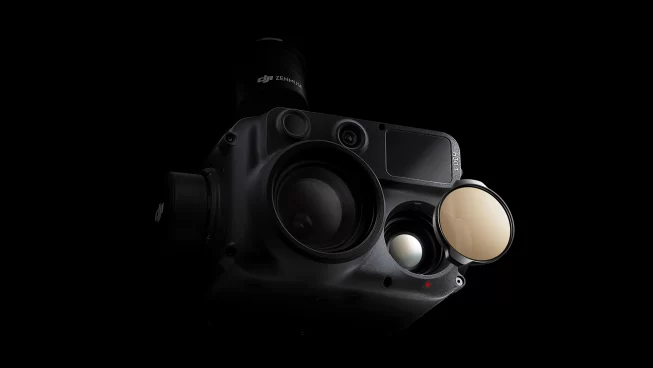
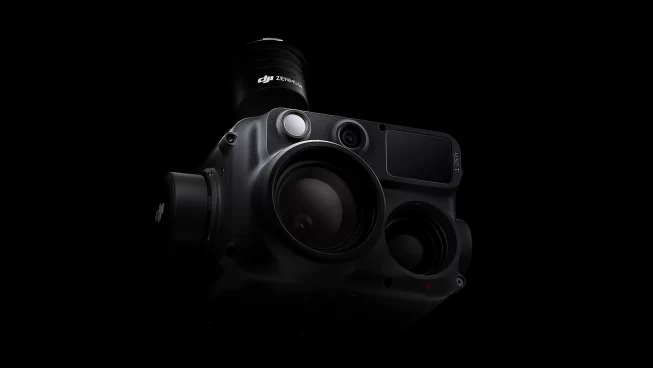
– Up to 34× Optical Zoom and 400× Digital Zoom
– 40MP 1/1.8-inch CMOS Sensor
– Video Resolution: Max 3840×2160@30fps
– Equivalent Focal Length: 24mm, DFOV: 82.1°
– 48MP 1/1.3-inch CMOS Sensor
– Video Resolution: Max 3840×2160@30fps
– Measurement Range: 3-3000 m
– Measurement Accuracy: ≤ 500 m: ±(0.2 m+measurement distance×0.15%)> 500 m: ±1.0 m
– Equivalent Focal Length: 52mm, DFOV: 45.2°
– Uncooled VOx Microbolometer
– Photo Resolution: 1280×1024
– Video Resolution: 1280×1024@30fps
– Temperature Measurement Range from -20° to 1600° C (-4° to 2912° F)
– Wavelength: 850 nm
– FOV: 4.6±0.6° (Round)
– Safety Rating: Class 1
– Illumination Range: Approx. 8m diameter circle at 100m distance
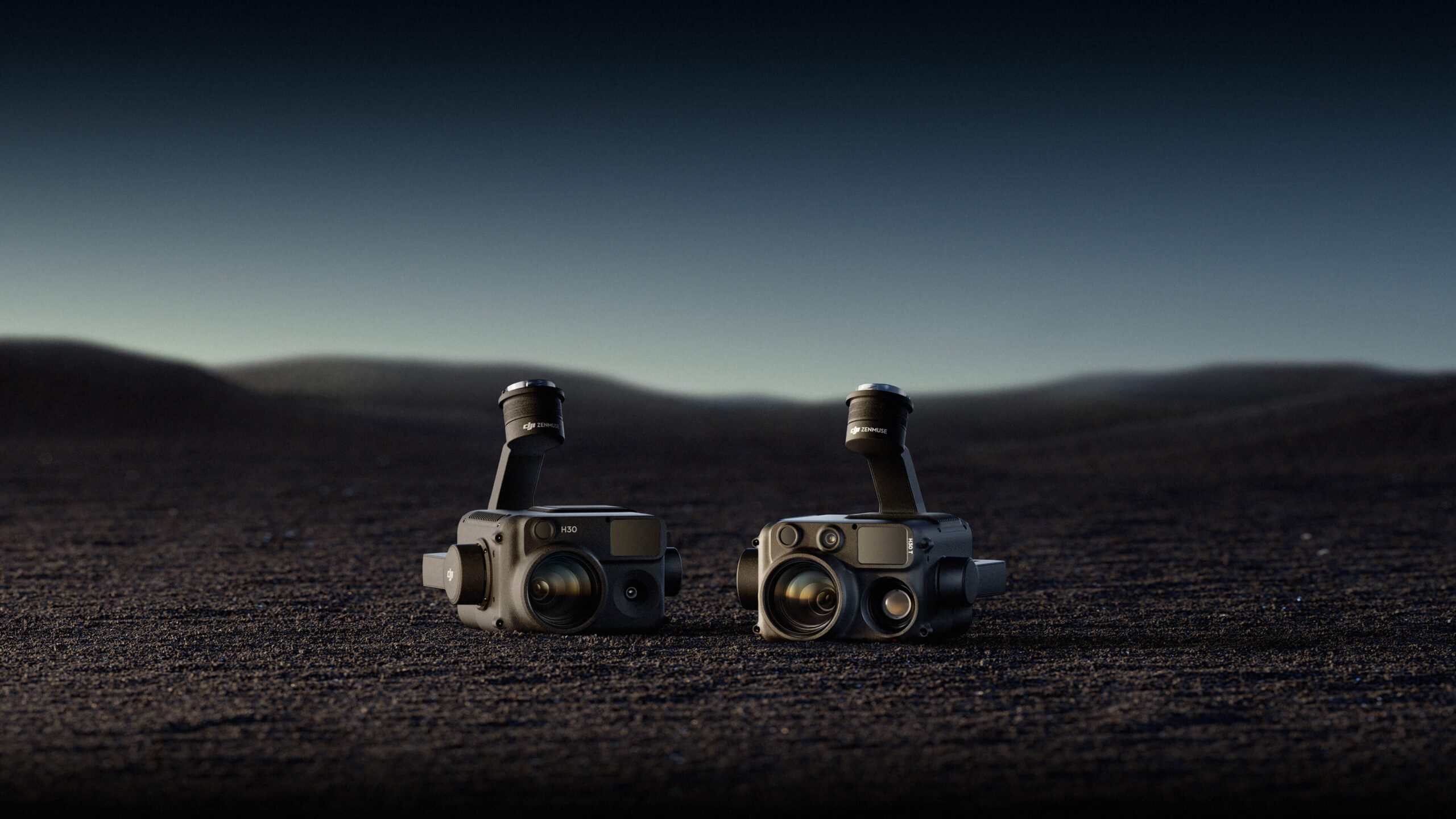
The Zenmuse H30 Series is equipped with a high-resolution 40MP zoom camera, delivering up to 34× optical zoom and 400× digital zoom. Compared to the previous generation, it enables clearer observation at longer distances while capturing finer details for enhanced situational awareness.
Powered by DJI’s latest image stabilization algorithms, the Zenmuse H30 Series significantly reduces shake in telephoto footage. This ensures stable, sharp imagery even at long focal lengths—ideal for high-precision tasks such as detailed power line and infrastructure inspections.
The integrated laser range finder delivers a measurement range up to 3,000 meters, representing a 2.5× improvement over the previous generation. It accurately captures target position data—including linear distance from the camera, relative altitude, and GPS coordinates—across a range from 3 m to 3,000 m, enabling precise situational awareness and advanced mission planning.
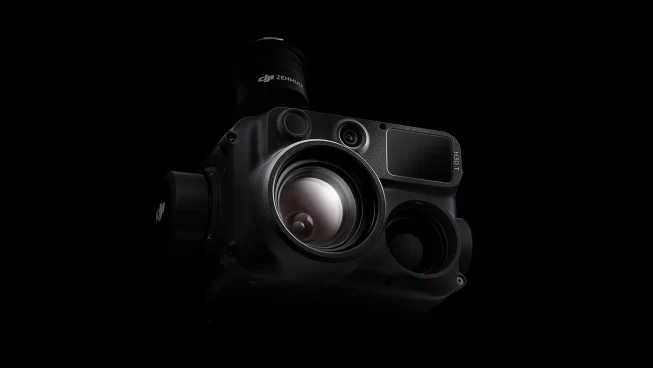
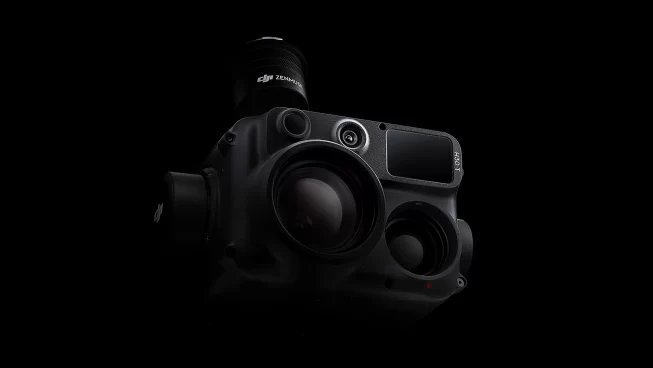
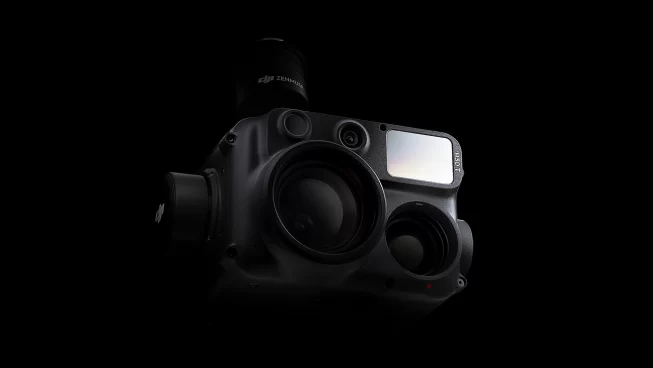
The Zenmuse H30T’s zoom camera and infrared thermal camera support Link Zoom, allowing operators to scale the visible light and thermal images in tandem and maintain the same viewpoint. This side-by-side comparison of image details helps locate the subject faster, increasing efficiency while saving effort.
With an optional infrared density filter installed, the thermal camera measures temperatures from –20°C to 1600°C (–4°F to 2912°F)—up to three times the range of the previous generation. This expanded capability enables precise hotspot detection and faster thermal assessment in firefighting and high-temperature scenarios, significantly improving decision-making speed and rescue efficiency.